
[Leaflet] Fraud Prevention
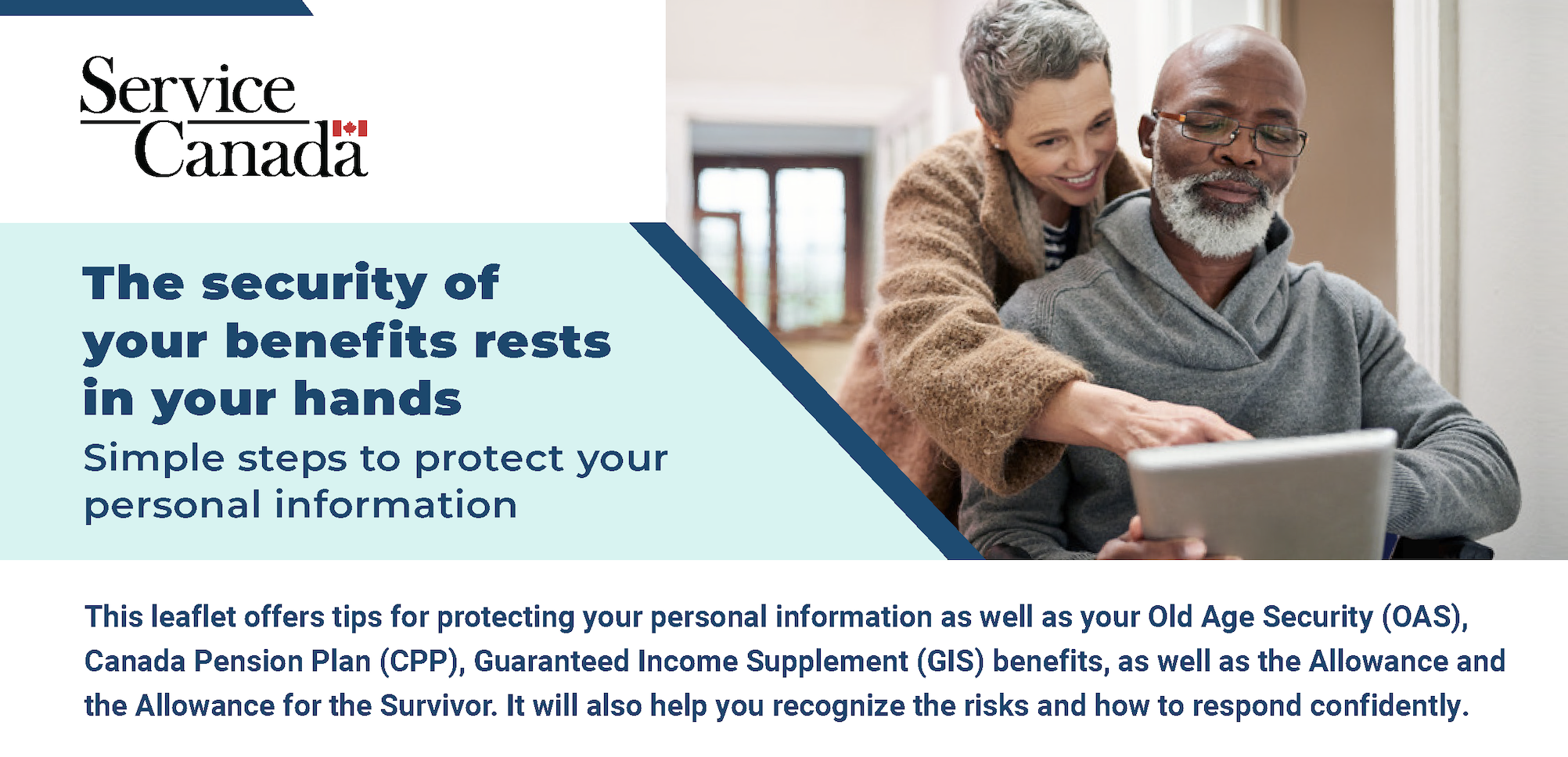
March is Fraud Prevention Month, and this year’s theme is “Fraud: The Hidden Crime.” This theme reminds us how fraud often remains out of sight, because it is under-reported and because it is hidden behind convincing technology, across borders, and within everyday online interactions.
Fraud continues to be one of the leading crimes affecting older adults, and scammers are becoming increasingly sophisticated in their methods and tactics. Staying alert and supporting one another is therefore essential!
Talking about fraud can be uncomfortable or upsetting, and that’s completely normal. It’s important to remember that fraud can impact anyone regardless of their age, education or background. You are not alone in this fight!
**Leaflet (in English and French) attached at the bottom of the page to be shared with seniors.
Common scams targeting older adults and how to avoid them
Grandparent scam
Scammers impersonate a grandchild or relative in urgent trouble, claiming an accident, arrest or medical emergency. They pressure victims to send money immediately, while insisting they keep it a secret. Protect yourself by reaching out directly to the family member using a known phone number, and never send money under pressure.
Investment scam
Scammers promise high returns with little or no risk. They often use fake credentials and high-pressure tactics, presenting themselves with professional‑looking materials to appear legitimate. Once money is sent, scammers disappear! Cryptocurrency scams have become prevalent, where fraudsters boast of successful investments to persuade victims, and use fake online trading platforms to convince individuals to send money or cryptocurrency.
Always do thorough research, verify registrations with provincial securities regulators, and never rush into an investment decision.
Romance scams
Scammers create fake online profiles on dating sites or social media to forge emotional connections with victims, ultimately requesting money for reasons such as travel expenses or medical emergencies. They may even offer to “coach” you on fake crypto investments. They typically avoid in‑person meetings and provide inconsistent personal details. Protect yourself by being cautious with relationships that move quickly and never send money to someone you haven’t met in person.
Bank investigator scams
Impersonating bank staff, law enforcement or security investigators, scammers claim that your account has been compromised and instruct you to withdraw or transfer funds to a “safe” account that belongs to the scammer. Remember, legitimate banks will never ask you to move your money. Always verify directly with your bank!
Recovery scams
Following a fraud incident, scammers may contact victims, pretending to be from police, government, banks or recovery services. They claim they can help recover lost funds for a fee, preying on the victim’s hope and urgency. Some victims may search online for help, but this can lead them to fake recovery company websites that exploit their vulnerability.
Remember that legitimate organizations do not charge for recovery services. Always verify the authenticity of any recovery service and seek assistance from trusted and established sources.
More ways to protect yourself and others
- Watch our short video
- Learn about some of the most common scams targeting older Canadians:
- Listen to our podcast
- Gain insights from experts at the Canadian Anti-Fraud Centre in our latest podcast:
- Talk to your family and friends
- Talking openly and without judgment helps everyone feel more prepared. Encourage loved ones to pause, verify and ask for help if something seems off.
- Report fraud or suspicious contact
- Report fraud or suspicious contact
- Report here: https://reportcyberandfraud.canada.ca/
No matter what new technologies or methods scammers use, your best defence against fraud is to recognize, reject and report!
Stay safe, and share this message with your networks, friends and family.
Thank you for joining the fight against fraud!
***
Stay informed by:
- following our Seniors in Canada Facebook page
- signing up to the Secretary of State (Seniors) newsletter
File Attachments
| 1 |
39755_39752_FraudPreventionLeaflet_EN.png
0.7MB
|
|
| 2 |
39756_39754_FeuilletPreventionFraude_FR.png
0.71MB
|
-
By
Service Canada
-
Published
Mar 12, 2026
-
Subject Area
- Elder Abuse, Frauds, & Scams